

The invisible connection that defines our nights
We tend to think of nutrition and rest as two separate pillars of our health. One nourishes the body during the day; the other repairs it during the night. However, between them lies a deep and constant connection, a biochemical dialogue that we often ignore. What we choose to put on our plate throughout the day has a direct and powerful impact on the architecture of our sleep.
Certain nutrients can pave the way toward deep rest, while others are capable of sabotaging our nights without us even realizing it. Understanding this relationship is empowering; it is taking the reins of our well-being in a comprehensive and conscious way.
Chemical messengers: how food sets the stage for sleep
The effect of food on our rest is not magic, but science. It is based on its ability to provide the precursors to neurotransmitters and hormones that regulate the sleep-wake cycle.
The protagonist of this story is tryptophan, an essential amino acid that our body cannot produce on its own and must obtain from the diet. Once ingested, the body converts it into serotonin, the neurotransmitter of well-being and calm, which in turn is the precursor to melatonin, the hormone that finally induces sleep.
Other minerals, such as magnesium, play a fundamental role in relaxing the nervous and muscular systems. Therefore, a smart dinner is not just a meal; it is a biochemical strategy to signal to the body that it is time for stillness.
Allies of the night: foods that invite rest
Fortunately, nature provides us with a pantry rich in these components that promote restful sleep. Incorporating complex carbohydrates into dinner, such as those found in oats, brown rice, or whole-grain bread, helps tryptophan reach the brain more easily.
Bananas are an exceptional source of both tryptophan and magnesium and potassium, minerals that act as natural muscle relaxants. A handful of almonds or walnuts also provides a significant dose of magnesium.
Herbal teas like chamomile or valerian have been used for centuries for their mild sedative properties. Even a portion of turkey or chicken at dinner can contribute thanks to its high content of the amino acid precursor to tranquility. The key is to consume these options in a balanced way, as part of a light dinner.
Saboteurs of rest: what is best to avoid before sleeping
Just as there are allies, there are also clear adversaries to our nightly rest. Caffeine is perhaps the most well-known, a stimulant that can remain in the system for hours, making it difficult to fall asleep and fragmenting its quality. It is found not only in coffee, but also in black tea, mate, soft drinks, cola, and chocolate.
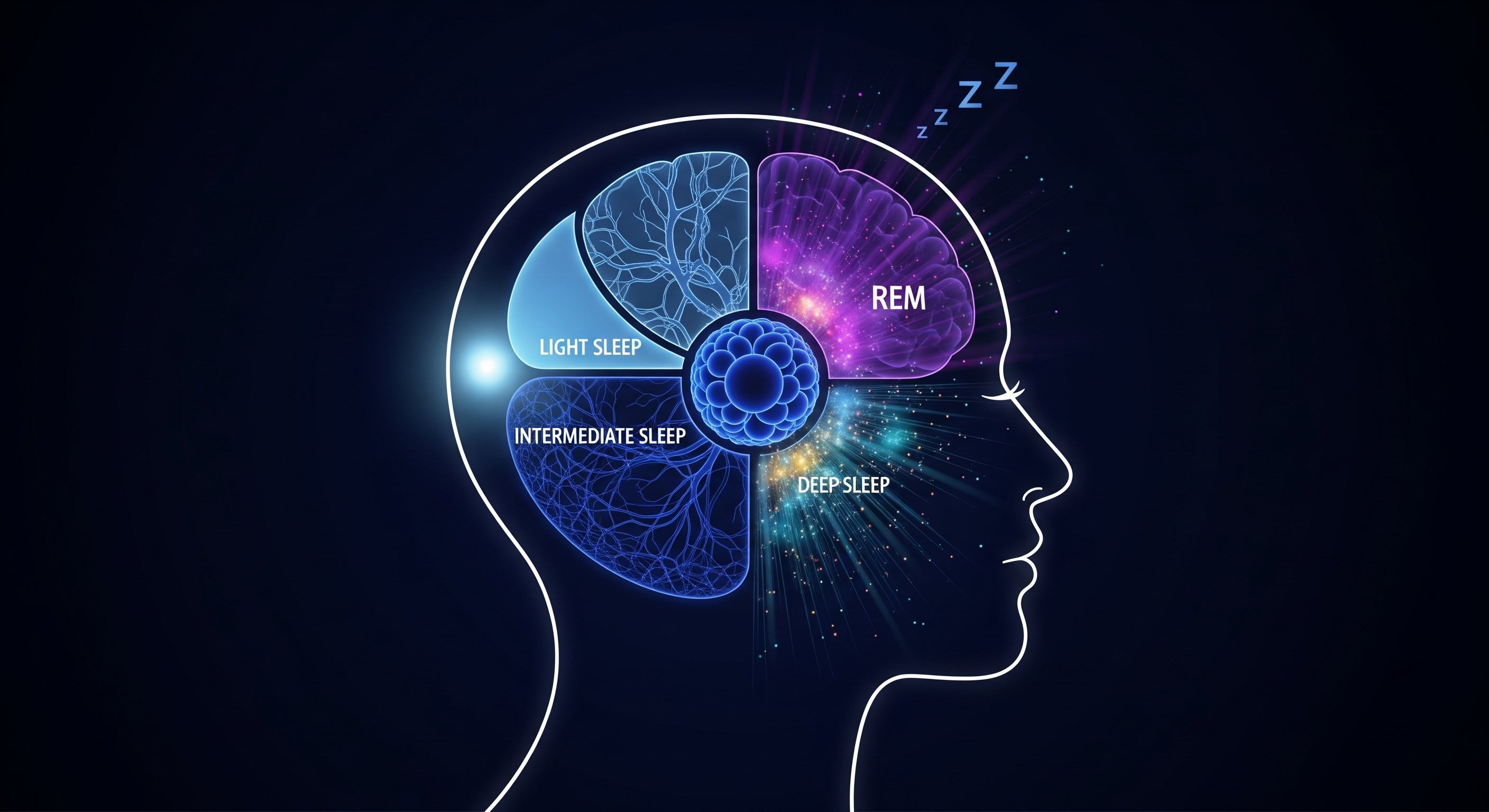
Alcohol, often perceived as a sleep inducer, is actually a false friend. While it may cause initial drowsiness, it severely disrupts rest cycles later in the night, especially the REM phase.
Large, fatty, or highly spiced meals force our digestive system to work intensely, which raises body temperature and can cause discomfort, preventing the body from fully relaxing. Finally, refined sugars can cause glucose spikes that, upon dropping sharply, can lead to nocturnal awakenings.
Timing matters: when and how to have dinner for optimal sleep
It is not only what is relevant, but also when. Eating a heavy dinner right before bedtime is one of the most harmful practices for rest. The ideal is to leave a margin of at least two to three hours between the last meal and bedtime.
This interval gives the digestive system time to do most of its work, preventing acidity, reflux, and general discomfort. Going to sleep with a stomach that is too full is just as problematic as doing so when too hungry, as low blood sugar can also cause interruptions.
The balance lies in a nutritious but light dinner that leaves us satisfied but not heavy, allowing the body's energy to be directed toward cellular regeneration rather than laborious digestion.
An act of comprehensive care for nights of true recovery
Conscious nutrition is one of the most effective and natural ways to improve the quality of our sleep. Paying attention to what we consume, especially in the final hours of the day, is an act of deep respect for our body's processes.
By choosing foods that foster calm and avoiding those that stimulate us, we are actively preparing the ground for a night of genuine recovery. This dietary care, combined with a relaxation ritual and a sleep surface that provides proper support, creates a powerful synergy.
It is the holistic approach that allows us not only to sleep, but to wake up feeling completely restored, with the energy and clarity needed to face a new day.


Leave a comment
This site is protected by hCaptcha and the hCaptcha Privacy Policy and Terms of Service apply.